

Woodland
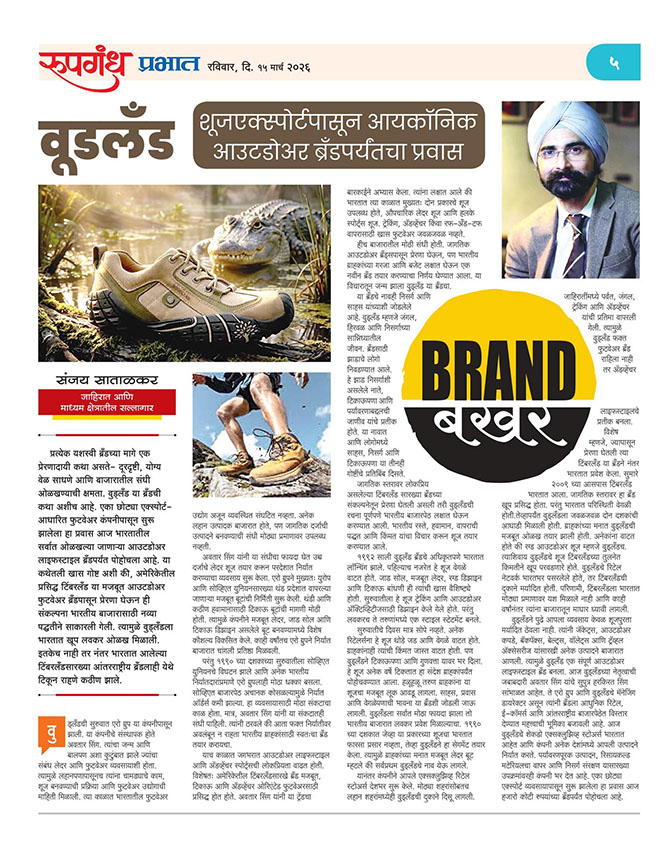
Woodland – The Journey from a Shoe Export Business to an Iconic Indian Outdoor Brand
Behind every successful brand there is an inspiring story — a story of vision, timing, and the ability to identify opportunities in the market. The story of Woodland is one such example. What began as a small export-oriented footwear business eventually grew into one of India’s most recognized outdoor lifestyle brands. A special aspect of this story is that the concept was inspired by the well-known American outdoor footwear brand Timberland. However, the idea was reimagined and adapted specifically for the Indian market. Because of this, Woodland gained recognition in India very quickly. In fact, when Timberland itself later entered India, it found it difficult to sustain its presence in the market.
The origin of Woodland lies in a company called Aero Group. The founder of this company was Avtar Singh. He was born and raised in a family that was already associated with the leather and footwear business. As a result, from a very young age he was exposed to leather craftsmanship, shoe manufacturing processes, and the functioning of the footwear industry.
During that time, the Indian footwear industry was still largely unorganized. There were many small manufacturers in the market, but opportunities to produce high-quality products at a global standard were limited. Recognizing this opportunity, Avtar Singh started manufacturing high-quality leather shoes for export markets. The Aero Group mainly produced sturdy boots designed for cold regions such as Europe and the Soviet Union. In these regions, there was strong demand for durable footwear suitable for harsh weather conditions. The company therefore developed expertise in producing boots made from strong leather, thick soles, and rugged designs built for durability. Within a few years, Aero Group established a solid reputation in the export market.
However, in the early 1990s the Soviet Union collapsed. Like many Indian exporters, Aero Group also faced a major setback. With the sudden collapse of the Soviet market, export orders declined sharply. This created a serious crisis for the business. But Avtar Singh saw an opportunity even in this difficult situation. He decided that instead of depending only on exports, the company should build its own brand for Indian consumers.
Around the same time, outdoor lifestyles and adventure sports were becoming increasingly popular around the world. Brands like Timberland in the United States were becoming famous for rugged, durable, adventure-oriented footwear. Avtar Singh studied this global trend carefully. He realized that in India at that time there were mainly two types of shoes available in the market — formal leather shoes and lightweight sports shoes. Footwear specifically designed for trekking, adventure activities, or rugged usage was almost nonexistent.
This was a major market opportunity. Inspired by global outdoor brands, but keeping Indian consumers’ needs and budgets in mind, the decision was made to create a new brand. From this idea, the brand Woodland was born.
The name of the brand itself reflects a connection with nature and adventure. Woodland refers to forests, greenery, and life close to nature. A tree was chosen as the brand’s logo. This tree symbolized the brand’s relationship with nature, durability, and environmental awareness. The name and logo together reflected three key elements — adventure, nature, and strength.
Although the brand was inspired by concepts used by global brands like Timberland, Woodland was designed entirely with the Indian market in mind. The footwear was created considering Indian roads, climate, usage patterns, and pricing expectations.
In 1992, the Woodland brand was officially launched in India. At first glance, these shoes looked very different from what was commonly available in the market. Thick soles, strong leather, rugged styling, and durable construction were their defining features. Initially, the shoes were designed mainly for trekking and outdoor activities. However, they soon became a style statement among young consumers.
The early days were not easy. Many retailers felt that the shoes were heavy and unusual. Some customers also found them expensive. But Woodland continued to emphasize durability and quality. The company communicated to consumers that these shoes were built to last for many years. Gradually, young customers began to appreciate the strong and rugged look of the shoes. Feelings of adventure, travel, and individuality became associated with the brand.
One of the biggest advantages for Woodland was its early entry into the Indian market. During the 1990s, when this category of footwear was still largely unknown in India, Woodland effectively created the segment. As a result, when people thought of strong leather boots, the first brand that came to mind was often Woodland.
The company then began expanding its network of exclusive retail stores across the country. Woodland outlets appeared not only in large cities but also in smaller towns. Its advertisements frequently featured mountains, forests, trekking, and adventure imagery. Over time, Woodland evolved from being just a footwear brand to becoming a symbol of an adventurous lifestyle.
Interestingly, the very brand that inspired Woodland — Timberland — later entered the Indian market. Around 2009, Timberland launched its presence in India. Globally it was a highly respected and well-known brand. However, the situation in India was very different. By that time Woodland already had nearly two decades of head start. The brand had built a strong emotional connection with Indian consumers. Many people already associated rugged outdoor shoes with Woodland. In addition, Woodland shoes were far more affordable compared to Timberland. Woodland also had a widespread retail network across India, whereas Timberland’s store presence was limited. As a result, Timberland did not achieve significant success in India and eventually had to withdraw from the market after a few years.
Woodland later expanded its business beyond footwear. The brand introduced a wide range of products including jackets, outdoor clothing, backpacks, belts, wallets, and travel accessories. This transformation helped Woodland evolve into a complete outdoor lifestyle brand.
Today, the leadership of Woodland is handled by Avtar Singh’s son, Harkirat Singh. He serves as the Managing Director of Aero Group and Woodland. Under his leadership, the brand has expanded into modern retail formats, e-commerce platforms, and international markets.
Today Woodland operates hundreds of exclusive stores across India, and the company exports its products to many countries. The brand is also focusing on environmentally responsible initiatives such as eco-friendly manufacturing, the use of recycled materials, and nature conservation efforts.
What began as a small export business has today grown into a brand worth thousands of crores. Recognizing the right opportunity at the right time, studying global trends, and adapting them for the Indian market — these principles have shaped the growth of Woodland. Today the brand has become a symbol of adventure, durability, and trust for millions of Indians.
The story of Woodland shows that inspiration can come from anywhere, but real success lies in implementing the idea in the right market at the right time, with consistency and a deep understanding of consumer needs.
Author: Sanjay Satalkar
Advertising and Marketing Consultant