

Zara
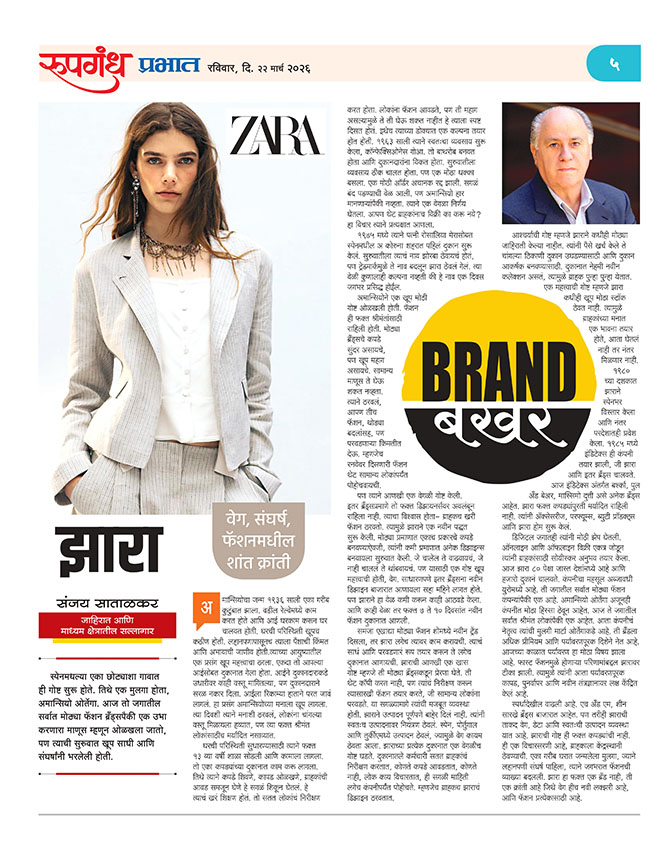
Zara – A Story of Speed, Struggle, and a Silent Revolution in Fashion
This story begins in a small village in Spain. There lived a boy named Amancio Ortega. Today, he is known as the man behind one of the world’s biggest fashion brands, but his beginnings were very simple and full of struggle.
Amancio was born in 1936 into a poor family. His father worked in the railway, and his mother managed the household by doing small jobs. Life was very difficult. From a young age, he understood the value of money and what it means to live with scarcity. One incident deeply affected him. Once, he went to a shop with his mother. She asked the shopkeeper for some items on credit, but he refused. She had to return home empty-handed. This moment stayed with Amancio. That day, he decided that people should have access to good products, and not just the rich.
To support his family, he left school at the age of 13 and started working. He got a job at a clothing store. There, he learned everything—stitching, understanding fabrics, and knowing what customers like. This became his real education. He constantly observed people and noticed that while people loved fashion, they often could not afford it because it was too expensive. This is where an idea began to form in his mind.
In 1963, he started his own business called Confecciones Goa. He made bathrobes and sold them to retailers. Initially, the business did well. But then, a big setback came—one large order was suddenly cancelled. It almost shut everything down. But Amancio was not someone who gave up. He made a bold decision: “Why not sell directly to customers?” He turned this idea into reality.
In 1975, along with his wife Rosalia Mera, he opened his first store in A Coruña, Spain. Initially, he wanted to name it “Zorba,” but due to trademark issues, the name was changed to “Zara.” At that time, no one imagined that this name would become famous across the world.
Amancio understood something very important—fashion had become something only for the rich. Big brands made beautiful clothes, but they were too expensive for common people. He decided to offer similar fashion, with slight changes, at affordable prices. His goal was to bring runway fashion closer to everyday people.
But he did something even more unique. Unlike other brands, he did not depend only on designers. He believed, “The customer decides fashion.” So, Zara introduced a new way of working. Instead of producing large quantities of the same design, they created many designs in small quantities. If something worked, they increased it; if not, they stopped it. But for this, one thing was very important—speed. While other brands took about six months to bring new designs to the market, Zara reduced this time to a few weeks—and sometimes even just 7 to 10 days.
For example, if a new trend appeared in a big fashion show, Zara would quickly act on it. They would create a simpler and more affordable version and bring it to stores almost immediately. Zara also draws inspiration from big brands. It does not copy directly, but observes and creates similar styles that people can afford.
Behind all this was a strong system. Zara did not completely outsource its production. It kept control over manufacturing, mainly in Spain, Portugal, and Turkey. This helped maintain speed. In every Zara store, something unique happens—employees closely observe customers: what they like, what they don’t, and what they ask for. This information quickly reaches the company. In a way, customers themselves decide Zara’s designs.
Surprisingly, Zara never spent heavily on advertising. Instead, it invested in opening stores at prime locations and making them attractive. Stores always have new collections, which brings customers back again and again. Another key point is that Zara never keeps very large stock. This creates a feeling among customers: “If I don’t buy it now, it may not be available later.”
In the 1980s, Zara expanded across Spain and then entered international markets. In 1985, the company Inditex was formed, which manages Zara and other brands. Today, Inditex includes brands like Bershka, Pull & Bear, and Massimo Dutti. Zara also expanded beyond clothing into accessories, perfumes, beauty products, and Zara Home.
They also made a strong move into the digital world. By combining online and offline sales, they created a smooth and convenient experience for customers. Today, Zara operates in more than 80 countries with thousands of stores. The company earns billions of euros and is one of the largest fashion companies in the world.
Amancio Ortega still holds a significant stake in the company and is among the richest people in the world. Today, the company is led by his daughter, Marta Ortega, who is taking the brand towards a more premium and environmentally responsible direction. Environmental concerns have become very important today. Zara has faced criticism due to the impact of fast fashion, so it is now focusing on sustainable fabrics, recycling, and new technologies.
Competition has also increased, with brands like H&M and Shein in the market. Yet, Zara’s strength lies in its speed, use of data, and strong control over production. Zara’s story is not just about clothes it is about a mindset that puts the customer at the center. A boy born in a poor family, who faced struggles in his early life, went on to change the definition of fashion worldwide. Zara is not just a brand it is a revolution where speed is the new luxury, and fashion is for everyone.
Author: Sanjay Satalkar
Advertising and Marketing Consultant