

Why Personalization in Advertising Matters Today
Why Personalization in Advertising Matters
In today’s marketing landscape, personalization in advertising has become essential for success. Consumers now expect brands to really get to know them and provide messages that resonate, rather than just sending out generic promotions. When businesses embrace personalization, they often see higher engagement rates, improved conversions, and lasting customer loyalty.
GenesisAds, a comprehensive agency specializing in advertising, branding, production, logo design, and digital marketing, empowers brands to harness the power of personalization to craft impactful campaigns. By blending creative strategies with data-driven insights, GenesisAds offers tailored advertising solutions that ensure the right message reaches the right audience at just the right moment.
In this article, we’ll dive into why personalization in advertising is so important, how it works, the benefits it brings, and how businesses can leverage it to enhance their marketing performance in a competitive digital world.
What Is Personalization in Advertising?
Personalization in advertising involves delivering customized ads based on user data, including interests, behaviors, locations, demographics, and previous interactions. Instead of bombarding everyone with the same ad, brands create unique advertising experiences that cater to individual preferences.
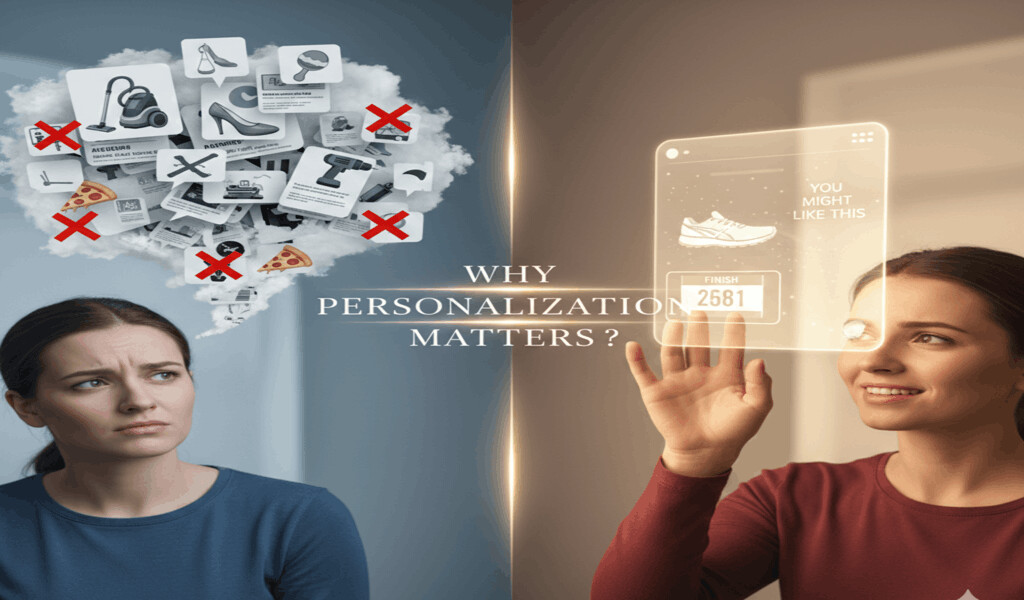
For example, if someone is searching for running shoes, they’ll see ads for sportswear instead of formal shoes.
Looking for a Result-Driven Advertising Agency in Pune?
Explore how our personalized advertising solutions help brands stand out.
Why Personalization in Advertising Is Important
Personalization in advertising is crucial because it tailors marketing messages to match what users are really looking for. This not only makes the ads more relevant but also helps to cut down on ad fatigue.
Here are some key reasons why personalization in advertising is so important:
• Consumers now expect brands to offer personalized experiences
• Generic ads tend to get less engagement
• Personalized ads can boost ROI and conversion rates.

How Personalization in Advertising Works
Personalization in advertising operates by leveraging data-driven insights and automation tools. The core elements that make advertising personalization effective include:
1. Tracking user behavior
2. Segmenting the audience
3. Utilizing AI and machine learning
4. Optimizing ads in real-time
These components enable brands to deliver the right message to the right audience at just the right moment.
Build a Strong Brand with Strategic Advertising
As a trusted advertising & Branding Agency In Pune, we craft campaigns made to connect and convert.
Benefits of Personalization in Advertising
1. Higher Engagement Rates
Personalized ads grab attention because they resonate with users. People are more inclined to click on ads that cater to their specific needs.
2. Improved Conversion Rates
When ads are in sync with what users want, conversion rates tend to rise. Personalized ads help smooth out the buyer’s journey.
3. Better Customer Experience
Personalization enhances customer satisfaction by presenting relevant content instead of random promotions.
4. Stronger Brand Loyalty
Consumers are more likely to trust brands that understand their preferences. Personalized advertising fosters long-lasting relationships.
Continue your learning journey — check out our next blog on In House Marketing vs Advertising Agency Which Is Better For Business Growth
Types of Personalization in Advertising
Demographic Personalization
This approach targets users based on factors like age, gender, income, or profession.
Behavioral Personalization
Here, we look at browsing history, search habits, and previous purchases to tailor ads.
Location-Based Personalization
Ads are shown based on where users are located geographically.
Contextual Personalization
This method aligns ads with the content that users are currently engaging with.
Why Personalization in Digital Advertising Matters More Today
With digital platforms generating a wealth of user data, personalization in digital advertising has become more precise and scalable than ever.
Here are a few reasons why personalizing digital advertising is crucial:
• The online competition is fiercer than ever
• Consumers have shorter attention spans
• Advanced AI-driven targeting tools are now available
• There’s a growing demand for relevant ad experiences
Impact of Personalization in Advertising on ROI
Personalization in advertising has a direct effect on return on investment.
Industry trends show that:
• Personalized ads lead to higher click-through rates (CTR)
• The cost per acquisition decreases
• Ad spending becomes more efficient
Brands that focus on personalizing their ads can save money by avoiding wasted budgets on audiences that aren’t interested.
Challenges in Personalization in Advertising
While personalization in advertising comes with its perks, it also faces some hurdles. Here are a few common challenges:
• Concerns about data privacy
• The risk of over-personalization
• Issues with data quality
• Difficulties in technology integration
The key to overcoming these challenges lies in using data ethically and implementing smart segmentation.
Best Practices for Personalization in Advertising
• Gather first-party data in an ethical manner
• Accurately segment your audiences
• Utilize dynamic ad creatives
• Regularly test and optimize your campaigns
• Find a balance between personalization and privacy
Frequently Asked Questions (FAQs)
Personalization in advertising is crucial because it enhances relevance, boosts engagement, and drives conversions by delivering tailored messages that reflect user behavior and preferences.
A typical example would be displaying product ads based on a user’s browsing history or their geographical location.
Absolutely! Personalized advertising tends to achieve higher click-through rates (CTRs), better returns on investment (ROI), and improved customer experiences compared to generic ads.
It minimizes irrelevant ads and provides valuable content, making users feel recognized and appreciated.
The data used includes demographics, browsing habits, purchase history, location, and device usage.
Yes, as long as it’s conducted ethically and adheres to data privacy regulations like GDPR and consent-based tracking.
Final Thoughts: Why Personalization in Advertising Matters
Personalization in advertising is essential because today’s consumers expect relevance. Brands that adopt personalized advertising strategies can gain a competitive advantage through increased engagement, enhanced trust, and improved marketing outcomes.