

Neuro-Marketing: How Ads Hack Your Brain
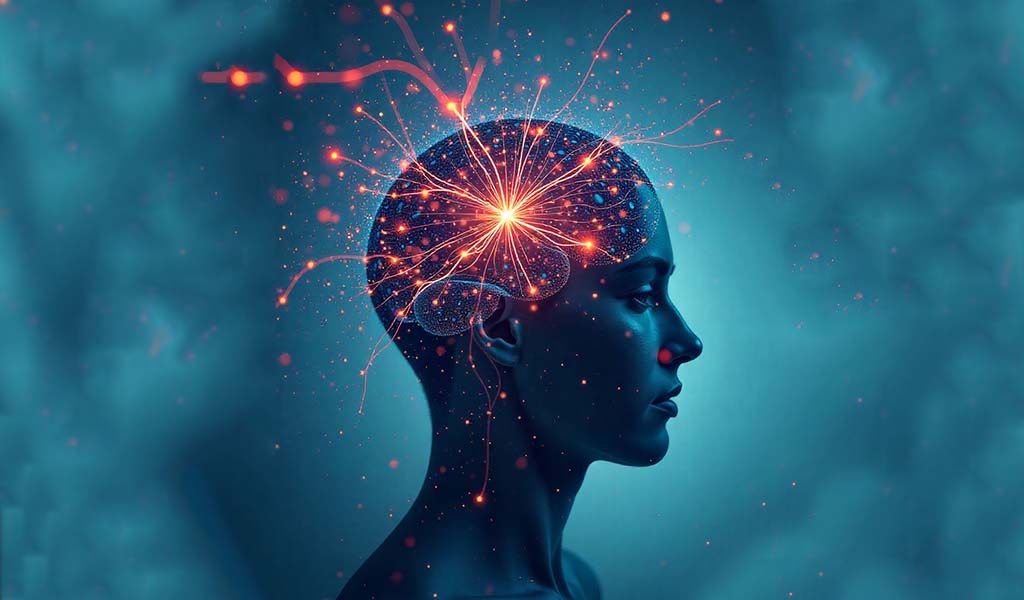
Neuro-Marketing: How Ads Hack Your Brain
Advertising is no longer just about catchy slogans or eye-grabbing visuals. In today’s world, brands are digging deeper — into the human brain itself. This science-backed approach is called neuro-marketing, and it’s changing how ads are created and consumed. By studying how people think, feel, and react, marketers are now able to design campaigns that connect directly with the subconscious mind.
What Exactly Is Neuro-Marketing?
Neuro-marketing combines neuroscience and marketing to understand how consumers make decisions. Instead of relying only on surveys or guesswork, brands use tools like brain scans, eye-tracking, and emotion analysis to study reactions to ads. The goal is simple: figure out what grabs attention, what triggers emotion, and what makes people say “yes” without even realizing it.
The Psychology Behind Ads
Our brains don’t always act logically when faced with choices. For example, colors, sounds, and even the speed of a video can influence our decisions. A red “Buy Now” button creates urgency. A slow-motion video can spark stronger emotional connections. Background music can shift a viewer’s mood. These subtle triggers often work on an unconscious level, nudging us toward specific actions without us being fully aware of it.
Why Brands Use It
Neuro-marketing gives brands an edge in a world where people are bombarded with thousands of ads daily. By focusing on how the brain responds, companies can cut through the noise and create ads that actually stick. Think of those jingles you can’t forget or packaging that feels too appealing to ignore — chances are, they’ve been carefully crafted with neuro-marketing insights.
The Ethical Question
While neuro-marketing is powerful, it also raises concerns. If brands can tap directly into emotions and subconscious triggers, where do we draw the line between persuasion and manipulation? Transparency and responsibility will play a key role in how this technique shapes the future of advertising.
The Future of Advertising
Neuro-marketing is still evolving, but one thing is clear: the future of ads won’t just be about selling products. They will be designed to feel right, to spark emotions, and to create long-lasting impressions in the human brain. As science and creativity merge, we’re entering a world where ads don’t just speak to us, they hack into how we think.